
You’ve registered your courses, bought the books, and maybe started decorating your dorm room. But are YOU ready to do your own laundry?
It might feel overwhelming especially that we always had someone to do them for us back home, but the day has come to take another step into becoming fully independent. To make your transition into university a pinch easier here are 5 steps to follow for a smooth laundry day.
5 Steps to Quick Laundry
1) Sort Your Clothes Out
- Separate light from dark colors, delicate fabrics from durable ones. Usually, whites are washed alone.

2) Prep Your Clothes
- To prevent color fading, toss your clothes in the wash with a teaspoon of salt. Keeps your brights brighter AND prevents color bleeding on the first wash.
-
Wash dark clothes inside out to keep them from fading too.
-
Pretreat stains: Not all stains are created equal. Learn how to remove each one for spotless clothing. The University of Illinois published an extended STAIN GUIDE for ultimate removal. Save your clothes!
- Close zippers, hooks, and snaps, but at the same time unbutton all buttons to protect them from tearing.
- Empty pockets and unroll cuffs
- Use a zippered mesh bag to place your delicates in it.
3) Read Clothing Label
- The clothing label is found on the inside of any garment.
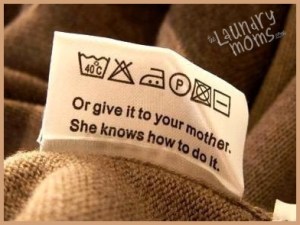
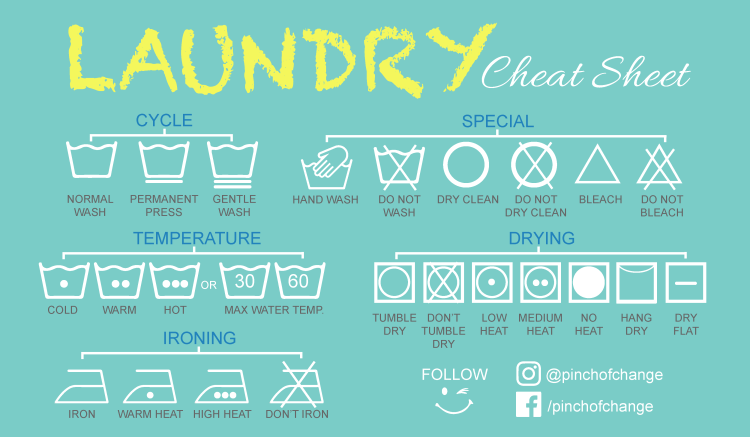
- The symbols drawn on it are super useful to guide you on what kind of washing and drying to use. The following is a simple symbol guide to learn.
When to Hand Wash and when to Dry Clean?
- Some clothing labels clearly read “hand wash” while others might have “dry-clean” but this doesn’t mean they cannot be hand washed especially if it’s made of natural fibers such as wool or silk. On the other hand, some items such as ones with heavy beading, fur, leather, and suede need professional care and should be sent for dry-cleaning.
- To hand wash you can either place them in the washing machine if it has a “hand wash” program in it. Otherwise, you will need a bucket of lukewarm water and mild detergent to immerse the delicates into. Soak the clothes for a while then swish them for few minutes before rinsing them until the water is clear. Squeeze the excess water out without wringing and then hang on a drying rack.
4) The Wash Cycle
Setting up the correct washing settings is the most important step to ensure your clothes are cared for properly.
- Every washing machine has different settings, therefore make sure to read the manual well before using.
- In general, the regular cycle is for sturdy and dirty clothes, while the delicate cycle is for… delicate clothes ;).
- When it comes to temperature setting, read the clothing label as it will help you know which temp to use.
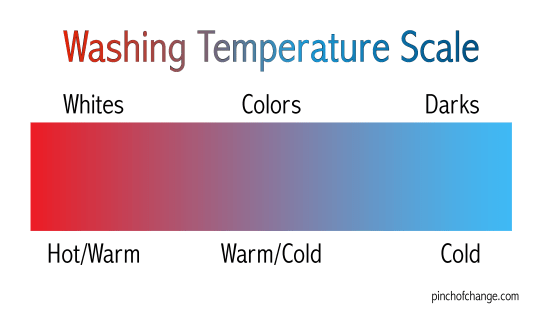
- Hot water is usually used for really dirty whites (ex. socks), warm water more commonly used with both white and colored clothes, especially when you are afraid they would shrink. If you are not sure about which water temperature to use, go with cold-warm (especially with bright or dark clothes).
5) Drying Your Laundry
- If you are afraid of clothes shrinking, dry them on a drying rack instead of using the dryer. Read the clothing label which will tell you whether you can tumble dry the garment or not. (See symbol chart)
- By overloading or under-loading the dryer, clothing can’t tumble properly, and it’s the tumbling action that helps to dry and reduce wrinkles. Fill the dryer appropriately — less full for heavy items, and fuller for lightweight clothing.
- Tip: Toss in a clean, dry towel- this will reduce dry time. Begin checking the laundry when the dryer stops, increasing the time by 5 to 15 minutes, as needed. With a white towel, you don’t have to worry about color transfer to the damp items that rub against it. On the other side, color from dark or bright clothes can transfer to a white towel so you may want to dedicate a towel just for this purpose.
- If you did not use a fabric softener to the washing cycle, you can add a dryer sheet to soften clothes.
- Set the right setting:
- Cotton: High heat for towels and other heavy materials
- Permanent Press: Medium heat for synthetics.
- Gentle: For delicate items.
- Air dry: Does not use heat; great for airing clothes and fluffing pillows.
- If you are trying to avoid ironing, remove clothes from the dryer immediately and hang or fold shirts and pants to prevent wrinkles.

 Pinch of Change- By Mariam